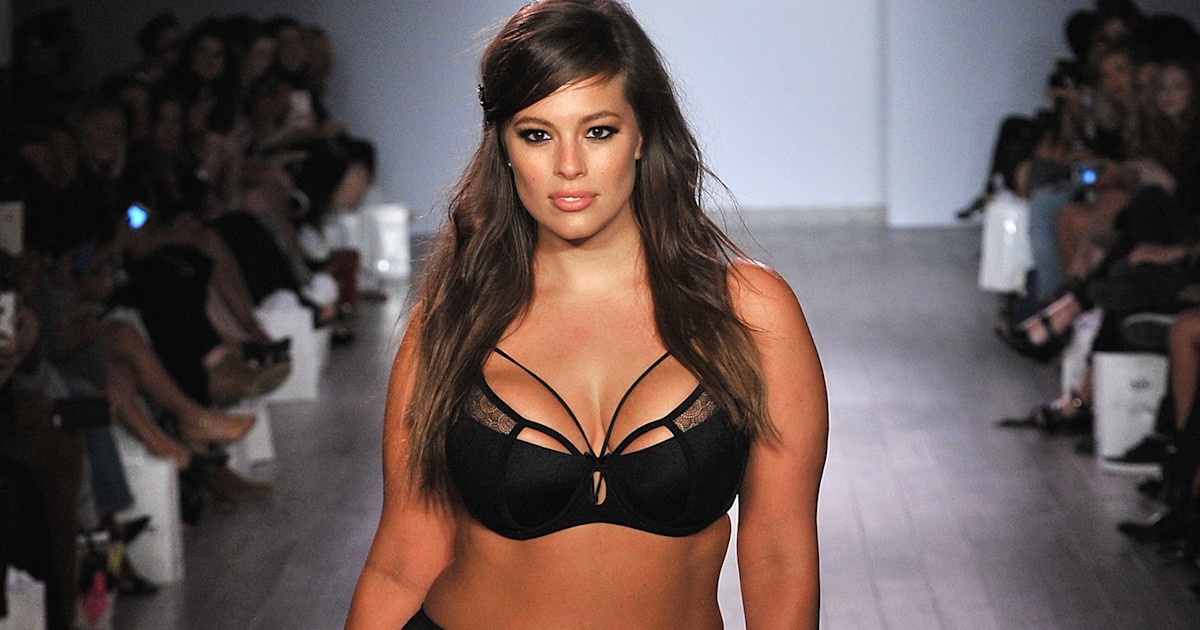
Ashley Graham Mannequins: Redefining Retail Displays and Empowering Shoppers
The landscape of retail is constantly evolving, driven by shifting consumer values and a demand for authenticity. In this dynamic environment, few figures have made as profound an impact on the conversation around body diversity and representation as supermodel Ashley Graham. Her groundbreaking collaboration in creating ashley graham mannequin lines has not only challenged long-held industry standards but has also set a new benchmark for what inclusive retail displays should look like. These mannequins are more than just fixtures; they are powerful statements, reshaping perceptions and empowering countless shoppers globally.
The Dawn of Inclusive Retail: Why Ashley Graham Mannequins Matter
For decades, the fashion industry presented a narrow, often unattainable, ideal of beauty. Traditional mannequins, with their uniformly tall, slender, and often expressionless forms, perpetuated a singular body type that alienated a vast majority of consumers. This created a significant disconnect between what was displayed in stores and the diverse reality of the shopping public. Enter the Embracing Diversity: Ashley Graham's Mannequin Impact, a pivotal moment that signaled a genuine shift towards inclusivity.
Breaking the Mold: A New Standard for Representation
Ashley Graham, a pioneer in the body positivity movement, has consistently advocated for realistic representation in fashion. Her mannequins, developed in partnership with major retailers and brands, mirror her own iconic figure, showcasing curves, proportions, and a posture that exudes confidence and naturalness. These aren't just slightly larger mannequins; they are meticulously crafted to reflect the beauty of diverse body types, offering a tangible representation that many shoppers have longed to see.
- Realistic Proportions: Unlike standard mannequins, Ashley Graham's models feature varying waist-to-hip ratios, fuller busts, and natural limb dimensions, making clothes hang more realistically.
- Empathetic Design: The poses often convey strength and approachability, moving away from the static, often aloof, stance of traditional displays.
- Validation for Shoppers: Seeing an ashley graham mannequin allows consumers to visualize how garments might look on their own bodies, fostering a sense of belonging and reducing shopping anxiety.
This deliberate design choice is a powerful visual cue that tells consumers: "You are seen, you are valued, and fashion is for you." It transforms the act of shopping from a potentially discouraging experience into one that is validating and enjoyable.
Beyond Aesthetics: The Business Case for Diversity
While the ethical imperative for inclusivity is clear, the adoption of the ashley graham mannequin also presents a compelling business argument. Retailers are increasingly recognizing that catering to a broader customer base is not just good practice, but smart strategy. When customers feel represented, they are more likely to engage with a brand, make purchases, and develop loyalty.
Consider these compelling benefits for businesses embracing diverse displays:
- Increased Sales Conversion: When customers can visualize clothes on a body type similar to their own, they are more confident in their purchasing decisions, leading to higher sales.
- Enhanced Brand Perception: Brands that prioritize inclusivity are viewed as modern, progressive, and socially responsible, which resonates deeply with today's conscious consumers.
- Expanded Market Reach: By representing diverse body types, retailers tap into previously underserved markets, attracting new customers and fostering growth.
- Reduced Returns: Better visualization on inclusive mannequins can lead to more accurate size and fit expectations, potentially decreasing return rates.
The move towards inclusive mannequins, spearheaded by figures like Ashley Graham, demonstrates a fundamental understanding that diversity is not a niche consideration but a core component of successful retail in the 21st century. It's about recognizing that the "average" customer is anything but average.
Crafting Authenticity: Design and Impact of the Ashley Graham Mannequin
The introduction of the ashley graham mannequin was not merely an incremental change; it was a revolution in visual merchandising. These mannequins are thoughtfully designed to not only represent diverse body types but also to project a sense of authenticity and confidence, mirroring Ashley Graham's own persona. Their impact extends far beyond the immediate retail environment, influencing broader discussions about body image and beauty standards.
Real Curves, Real Appeal
What sets the ashley graham mannequin apart is its commitment to accurate and appealing representation. The careful sculpting ensures that the mannequins articulate the beauty and strength of a fuller figure without caricature. They showcase clothing in a way that is flattering and accessible to those with similar body shapes. This attention to detail has garnered significant positive feedback from consumers who feel genuinely seen and understood by brands adopting these displays.
Visual merchandisers have a unique opportunity to leverage these mannequins to create dynamic and relatable displays. By styling them with the latest trends and everyday wear, retailers can bridge the gap between high fashion and everyday life for a diverse clientele. The mannequins embody a message that style is universal and not exclusive to one body type.
Empowering the Consumer Experience
The presence of an ashley graham mannequin fundamentally alters the consumer experience. For many, shopping can be a source of anxiety, particularly when trying to imagine how clothes will fit on a body different from the idealized forms often presented. These mannequins alleviate that pressure, fostering a more positive and productive shopping journey. Shoppers can walk into a store and immediately feel a sense of belonging and excitement, knowing that they will find clothing displayed on a figure that resonates with their own.
This empowerment translates into a stronger emotional connection with the brand. When a brand actively demonstrates its commitment to diversity through its visual merchandising, it builds trust and loyalty that goes beyond product offerings alone. It’s a testament to the idea that a shopping experience should be joyful and inclusive for everyone.
Implementing Diversity: Tips for Retailers and Brands
For retailers and brands looking to fully embrace the movement towards inclusive visual merchandising, integrating the ashley graham mannequin and similar diverse displays requires thoughtful planning and execution. It's not just about placing a new mannequin; it's about a holistic approach to store design, marketing, and customer engagement.
Integrating Inclusive Displays
Successfully incorporating diverse mannequins into your retail strategy involves more than just a purchase. Here are some actionable tips:
- Strategic Placement: Don't relegate diverse mannequins to a separate "plus-size" section. Integrate them throughout the store, showcasing a range of sizes alongside each other to normalize body diversity.
- Thoughtful Styling: Dress the mannequins in current, fashion-forward pieces that reflect your brand's overall aesthetic. Avoid stereotypical styling that might inadvertently alienate customers.
- Complementary Signage: Use empowering and inclusive language in your in-store signage and marketing materials to reinforce the message of diversity.
- Staff Training: Ensure your sales associates are trained to provide inclusive service, understanding diverse sizing and styling needs without making assumptions.
- Consider All Body Types: While the ashley graham mannequin focuses on plus-size representation, consider expanding diversity to include mannequins of different heights, ages, and even abilities.
This comprehensive approach ensures that the message of inclusivity is consistent across all touchpoints, creating a truly welcoming environment. For more insights into the evolution of this trend, check out The Rise of Ashley Graham Mannequins in Fashion.
Measuring Success and Future Trends
To gauge the effectiveness of inclusive displays, retailers should monitor key performance indicators such as sales conversions, customer feedback (both in-store and online), social media engagement, and brand sentiment. The positive ripple effect of truly inclusive practices often extends beyond direct sales, influencing brand loyalty and positive word-of-mouth.
Looking ahead, the trend toward diverse mannequins is likely to expand even further. We can anticipate more personalization in retail displays, potentially even digital mannequins that can change body types and outfits dynamically. The foundational shift, however, has already been established by pioneers like Ashley Graham: representation matters, and it's here to stay.
Conclusion
The advent of the ashley graham mannequin marks a significant turning point in the retail industry. It represents a powerful commitment to body diversity, challenging outdated norms and creating a more inclusive and welcoming shopping experience for everyone. By embracing realistic and diverse displays, retailers not only fulfill a social responsibility but also tap into a growing market of consumers who demand authenticity and representation. As the fashion world continues to evolve, the legacy of these groundbreaking mannequins will undoubtedly continue to inspire brands to celebrate every body, proving that true style knows no size.