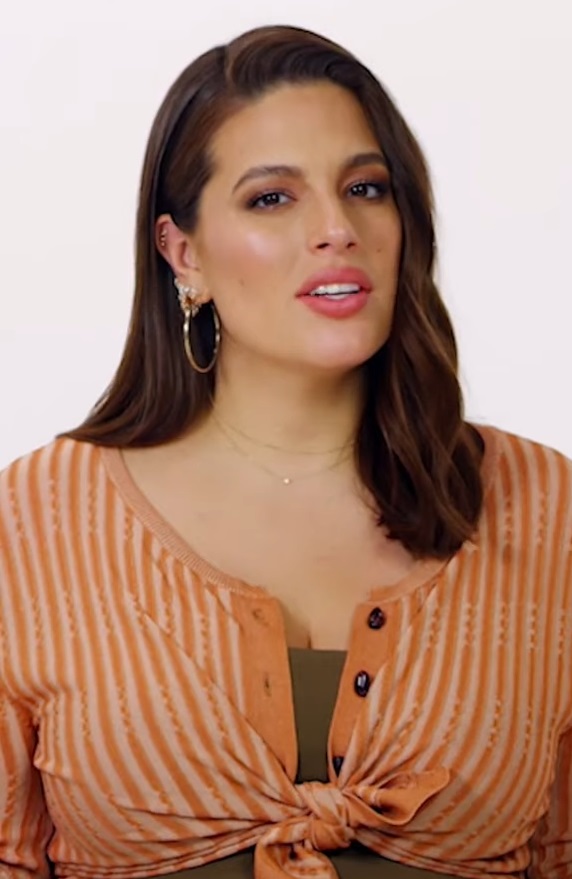
The Revolution on the Runway: The Rise of Ashley Graham Mannequins in Fashion
The fashion world has long been criticized for its narrow depiction of beauty, often showcasing idealized, unattainable body types. However, a silent revolution has been brewing in retail spaces, championed by none other than supermodel and body positivity icon, Ashley Graham. The introduction of the Ashley Graham Mannequins: Redefining Retail Displays marks a pivotal moment, challenging traditional norms and ushering in an era of genuine inclusivity. These mannequins, modeled after Graham's own diverse physique, are not just plastic figures; they are powerful statements about representation, self-acceptance, and the evolving face of consumer demand.
For decades, standard mannequins were notoriously uniform, slender, and often taller than the average person, creating a significant disconnect between the clothes displayed and the real bodies that would wear them. This lack of diverse representation often left many shoppers feeling marginalized and unseen, impacting their self-esteem and overall shopping experience. Ashley Graham, with her trailblazing career as a plus-size model and vocal advocate for body diversity, recognized this gap. Her collaboration with various brands to bring more inclusive mannequins to the forefront was a natural extension of her mission to ensure that all body types are celebrated and catered to within the fashion industry.
The Spark of Inclusivity: Why Ashley Graham Mannequins?
The impetus behind the creation and widespread adoption of the ashley graham mannequin is multi-faceted, stemming from both social demand and shrewd business acumen. At its core, it addresses a fundamental flaw in the traditional retail display model: its failure to reflect the actual customer base.
- Challenging Unrealistic Ideals: For too long, fashion perpetuated a singular, often unattainable body standard. The average American woman wears a size 16-18, yet mannequins typically represented sizes 2-4. This disparity created a psychological barrier, making it difficult for many women to envision how garments would truly fit their bodies. Ashley Graham's involvement brought a credible, celebrated face to the plus-size movement, lending significant weight to the call for change.
- Driving Body Positivity: Graham's entire brand is built on empowerment and self-love. By lending her likeness to these mannequins, she amplified the message that beauty comes in all shapes and sizes. Seeing a mannequin that more closely resembles one's own body can significantly boost a shopper's confidence and foster a more positive self-image, making the shopping experience enjoyable rather than demoralizing.
- Meeting Consumer Expectations: Today's consumers are more vocal and socially conscious than ever. They expect brands to not only offer diverse product ranges but also to reflect those values in every aspect of their presentation. Retailers who embraced the ashley graham mannequin demonstrated a clear understanding of these evolving expectations, positioning themselves as forward-thinking and customer-centric.
- The "See It to Believe It" Factor: It's simple psychology. If a customer can see a garment displayed on a mannequin that shares a similar body type, they are far more likely to believe it will look good on them. This direct visual representation removes guesswork and encourages purchases, proving that inclusivity is not just good ethics, but also good business.
Reshaping the Retail Landscape: Impact on Shoppers and Brands
The ripple effect of the ashley graham mannequin extends far beyond the initial visual appeal, profoundly influencing both the consumer experience and the strategic direction of retail brands. This isn't just about selling clothes; it's about selling confidence and belonging.
Enhanced Shopping Experience and Customer Loyalty
For shoppers, the presence of diverse mannequins, particularly those inspired by Ashley Graham, transforms the retail environment. Imagine walking into a store and seeing clothes displayed on a figure that genuinely reflects your body shape. This immediate connection fosters a sense of relatability and validation. Customers can better visualize how a dress will drape, how a pair of jeans will fit at the waist and hips, and how a top will fall over the torso. This practical benefit reduces fitting room anxiety and increases satisfaction. Moreover, when a brand demonstrates an explicit commitment to inclusivity, it builds trust and loyalty, encouraging repeat business from a demographic that often felt overlooked.
Strategic Advantages for Retailers
From a business perspective, embracing diverse mannequins offers substantial advantages. Retailers that adopt the ashley graham mannequin model:
- Attract a Wider Audience: By signaling that their offerings cater to a broader range of body types, stores can tap into previously underserved markets, significantly expanding their customer base.
- Boost Sales and Reduce Returns: When customers can better judge fit and appearance on a representative mannequin, they are more likely to make informed purchasing decisions, leading to fewer returns. This direct correlation between better visual merchandising and sales performance is a crucial metric for any retail business.
- Strengthen Brand Image: Aligning with body positivity and diversity initiatives enhances a brand's reputation, portraying it as modern, empathetic, and socially responsible. This positive image can resonate deeply with values-driven consumers, giving the brand a competitive edge in a crowded market.
- Future-Proofing Retail: The fashion industry is under increasing pressure to evolve. By being proactive in adopting inclusive displays, retailers are not just responding to current trends but are actively shaping the future of retail, ensuring their relevance in a progressively diverse world. This commitment is detailed further in Embracing Diversity: Ashley Graham's Mannequin Impact.
Beyond the Hype: Practical Implications for Fashion
The rise of the ashley graham mannequin is more than a fleeting trend; it represents a significant shift in the operational and philosophical underpinnings of the fashion industry. Its practical implications extend to design, marketing, and the very definition of who fashion serves.
Influence on Product Development and Merchandising
When retailers commit to displaying diverse body types, it naturally encourages a reevaluation of their product lines. Designers may be prompted to create clothing that genuinely flatters a wider range of figures, moving beyond simply scaling up existing patterns. This leads to better-fitting garments and a more thoughtful approach to fashion design. Merchandising teams are also challenged to think more creatively about store layouts and visual storytelling, ensuring that inclusive displays are seamlessly integrated and presented authentically.
Driving a More Ethical and Representative Industry
The presence of diverse mannequins acts as a constant, visible reminder of the industry's responsibility to its audience. It pushes the conversation beyond tokenism, urging brands to consider diversity in all facets—from runway models and campaign imagery to behind-the-scenes staff. This continuous push for representation helps dismantle long-held biases and promotes an environment where creativity thrives on varied perspectives. It also encourages consumers to hold brands accountable, fostering a dynamic where genuine inclusivity becomes a non-negotiable expectation.
Tips for Retailers: Leveraging Inclusive Displays
For retailers looking to truly embrace the spirit of the ashley graham mannequin and other diverse displays, a strategic approach is key. It's not just about placing a new mannequin; it's about integrating inclusivity into your brand's DNA.
- Invest in Quality and Variety: Don't just settle for one token plus-size mannequin. Invest in a range of diverse mannequins that reflect different body shapes, sizes, and even ethnicities. Quality matters—ensure they are well-made and aesthetically pleasing.
- Strategic Placement: Place diverse mannequins prominently in your store, not tucked away in a corner. Let them be the first thing customers see, signaling your commitment to inclusivity from the moment they walk in.
- Authentic Storytelling: Use your displays to tell a story of inclusivity. Pair diverse mannequins with clothing that truly suits their forms, showing customers how outfits look on different body types. Use natural poses and groupings.
- Train Your Staff: Ensure your sales associates are trained to be genuinely inclusive and knowledgeable about your diverse product offerings. Their attitude and expertise can significantly enhance the customer experience.
- Integrate Online and Offline: Ensure your website and social media campaigns also reflect the same commitment to body diversity. Use real models of varying sizes in your e-commerce imagery to create a consistent brand message.
- Gather Feedback: Actively solicit feedback from your customers about their experiences with your diverse displays. Use this information to continually refine and improve your approach.
Conclusion
The emergence of the ashley graham mannequin in fashion retail is more than just a trend; it's a powerful statement of progress. It symbolizes a significant shift towards acknowledging and celebrating the diverse beauty of real people. By providing relatable representations, these mannequins not only enhance the shopping experience for countless individuals but also serve as a constant reminder to the fashion industry that inclusivity is not just a moral imperative, but a strategic necessity. As more brands recognize the profound impact of these displays, we can anticipate a future where fashion truly caters to, and celebrates, everyone.