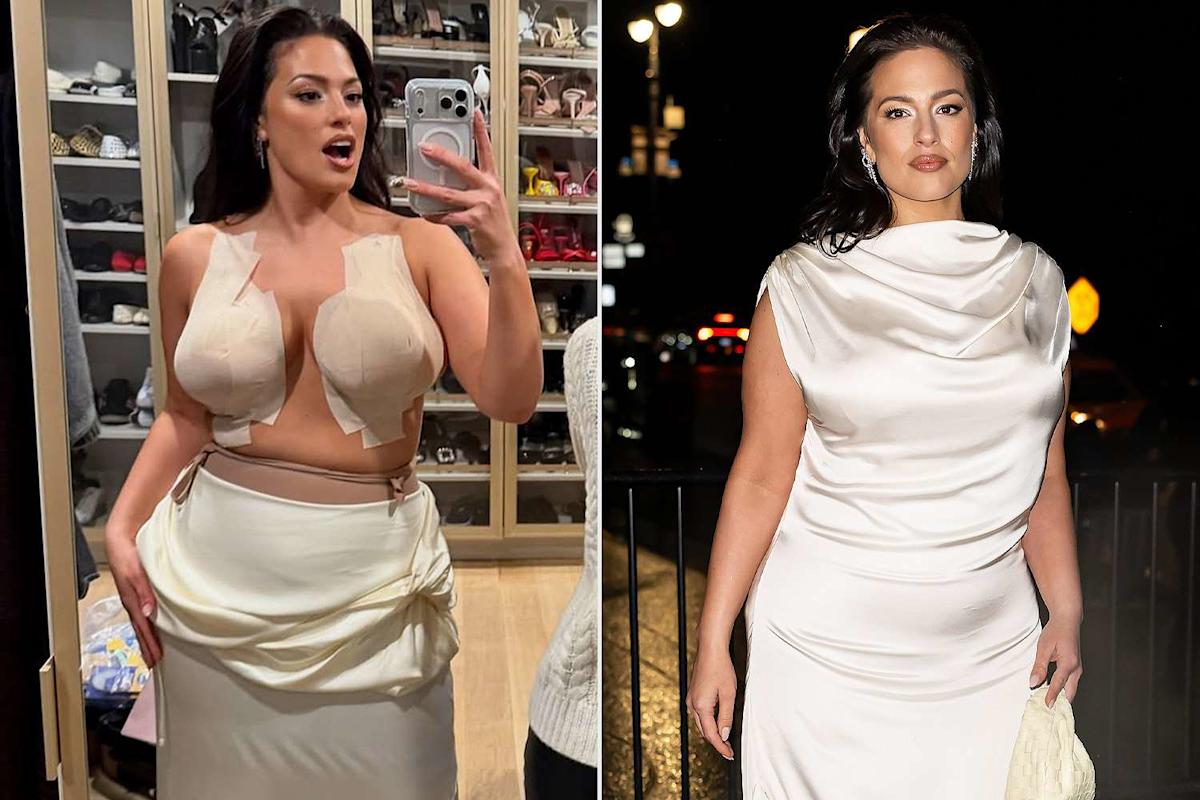
Embracing Diversity: Ashley Graham's Mannequin Impact
In an era where authenticity and representation are paramount, the fashion industry has been compelled to re-evaluate its long-standing ideals. At the forefront of this transformative movement stands Ashley Graham, a supermodel whose influence extends far beyond the runway and magazine covers. Graham has become a powerful advocate for body positivity and inclusivity, challenging traditional beauty standards and pushing for a more diverse portrayal of women in media and retail. Her most visible and perhaps most impactful contribution to this shift in retail presentation has been the introduction of the Ashley Graham Mannequins: Redefining Retail Displays, a groundbreaking move that has compelled brands to reflect the true diversity of their customer base.
For decades, retail mannequins largely adhered to a singular, often unrealistic, body type. These slender, elongated figures silently communicated a narrow ideal of beauty, inadvertently alienating a significant portion of the shopping public. Ashley Graham's initiative to introduce mannequins that celebrate curves, realistic proportions, and diverse body shapes has not only sparked crucial conversations but has also laid the groundwork for a more inclusive future in retail fashion. It's a testament to her vision that the term "ashley graham mannequin" has become synonymous with a broader, more welcoming approach to fashion display.
The Silent Story of Mannequins: Why Representation Matters
Mannequins are more than just static display figures; they are the silent storytellers of a brand, the first visual interaction a potential customer has with clothing outside of an advertising campaign. Historically, these figures have been critiqued for propagating unattainable body standards, with their often extremely thin frames and lack of diversity in size, shape, and even ethnicity. This narrow representation has had a profound psychological impact on consumers, particularly women, who often struggle to visualize how garments would look on their own bodies, leading to feelings of inadequacy or exclusion.
Imagine walking into a store, excited to find a new outfit, only to see every garment displayed on a form that bears no resemblance to your own body. This experience can be disheartening and alienating. The fashion industry, for too long, operated under the misconception that an aspirational, albeit unrealistic, ideal was the most effective way to sell clothes. However, modern consumers are increasingly sophisticated; they seek authenticity, connection, and a reflection of their own realities. Brands that fail to provide this risk losing relevance and customer loyalty.
The imperative for change became undeniable. Research consistently shows that consumers are more likely to purchase from brands that align with their values and demonstrate inclusivity. This isn't just about social responsibility; it's smart business. By embracing a broader spectrum of body types in their displays, retailers can tap into a larger market, foster deeper connections with their customers, and ultimately drive sales. This understanding forms the crucial backdrop against which the impact of the The Rise of Ashley Graham Mannequins in Fashion can be truly appreciated.
Ashley Graham: Pioneering a Realistic Retail Vision
Ashley Graham's journey to becoming an icon of body diversity has been both personal and professional. As a successful "plus-size" model, she experienced firsthand the industry's limitations and its gradual, often reluctant, shift towards embracing different body shapes. Her advocacy wasn't just about breaking barriers on the runway; it was about ensuring that inclusivity permeated every facet of fashion, including the most fundamental retail touchpoints.
The concept of the ashley graham mannequin isn't just about creating a "bigger" mannequin; it's about creating a *realistic* one. These mannequins are designed to accurately represent a curvier, more average female body, complete with natural waistlines, hips, and thighs. They showcase how clothes genuinely fit and drape on a body that many can identify with, offering a much-needed bridge between the idealized world of fashion photography and the practical reality of dressing. One notable collaboration saw Ashley Graham partner with a major retailer to introduce a line of mannequins specifically designed to reflect her own iconic figure, challenging the industry's long-held conventions.
This initiative signaled a clear departure from the historical norm. It told consumers, silently but powerfully, "You are seen. You are valued. This fashion is for you." The introduction of the ashley graham mannequin was not merely a marketing gimmick; it was a strategic move born from a genuine understanding of consumer needs and an unwavering commitment to fostering a more welcoming retail environment. It empowered shoppers, allowing them to visualize themselves in the clothes more accurately and feel a sense of belonging within the retail space.
Beyond the Display: The Broader Industry Shift
The influence of Ashley Graham and the discussion sparked by her mannequins has had a profound ripple effect across the fashion industry. While initially, some brands might have been hesitant, the undeniable positive reception from consumers and the compelling business case for inclusivity have spurred many others to follow suit. Major retailers and brands, including Nike, Nordstrom, and Target, have begun to introduce mannequins with more diverse body types, including various sizes, poses, and even skin tones.
This shift extends beyond just mannequins. We're seeing more diverse models in advertising campaigns, a greater range of sizing offered by brands (including extended sizing options), and a push for more inclusive designs that genuinely flatter a variety of body shapes. The conversation around "plus-size" has evolved into one about "body diversity" and "size inclusivity," moving away from stigmatizing labels towards a more holistic appreciation of all body types.
Social media has played a pivotal role in accelerating this change. Consumers are more empowered than ever to voice their opinions, celebrate progress, and hold brands accountable. Hashtags promoting body positivity and real body representation constantly trend, creating a powerful collective voice that the industry can no longer ignore. The ashley graham mannequin stands as a physical manifestation of this consumer-driven demand for authenticity and inclusivity, a symbol that has pushed fashion from merely acknowledging diversity to actively embracing and displaying it.
Practical Insights for Retailers and the Future of Fashion Displays
For retailers looking to thrive in the modern market, the lessons learned from the impact of the ashley graham mannequin are invaluable. Here are some practical tips:
- Embrace Diverse Mannequins: Invest in a range of mannequin sizes and body types. This sends a clear message of inclusivity and helps a broader spectrum of customers envision themselves in your products. Consider a mix of traditional, curvy, and even petite forms.
- Authenticity is Key: Ensure that your in-store displays, marketing campaigns, and online presence all align with your commitment to diversity. Inconsistency can undermine trust.
- Training and Sensitivity: Educate sales associates on inclusive language and body positivity. A welcoming store environment extends beyond just the visual displays.
- Listen to Your Customers: Pay attention to customer feedback regarding sizing, representation, and their overall shopping experience. Use this insight to continually refine your approach.
- Go Beyond Size: While size inclusivity is crucial, true diversity also encompasses age, ethnicity, ability, and gender identity. Explore how these aspects can be reflected in your displays and brand messaging.
The future of fashion displays is undoubtedly one of greater diversity and realism. The days of monolithic body ideals dictating retail aesthetics are slowly but surely fading. The influence of pioneering figures like Ashley Graham ensures that fashion is becoming more reflective of the beautiful, varied tapestry of humanity. This isn't just a trend; it's a fundamental shift towards a more ethical, empathetic, and ultimately, more successful fashion industry.
The challenges remain, including the initial investment in new display equipment and the need for ongoing innovation. However, the long-term benefits of fostering a truly inclusive retail environment – increased customer loyalty, expanded market reach, and enhanced brand reputation – far outweigh these hurdles. By committing to genuine representation, retailers can build stronger connections with their customers and contribute to a more positive and empowering fashion landscape for everyone.
Conclusion
Ashley Graham's impact on the fashion industry is multifaceted, but her pioneering work with diverse mannequins stands out as a powerful catalyst for change. By advocating for and implementing realistic body types in retail displays, she has not only challenged outdated beauty norms but has also empowered countless individuals to feel seen and celebrated. The ashley graham mannequin has become a symbol of progress, a physical representation of the industry's gradual but essential pivot towards genuine inclusivity. As we look to the future, it is clear that the silent story told by mannequins will increasingly be one of diversity, authenticity, and acceptance, ensuring that fashion is truly for every body.